
Most people think sleep is enough for proper recovery. Your body actually needs several different types of rest to function at its best.
Understanding Rest and Recovery Essentials is crucial for optimal performance.
Rest and recovery involve much more than just getting eight hours of sleep each night. They include physical repair, mental restoration, proper nutrition, and active recovery strategies that work together to optimize your health and performance.
Incorporating Rest and Recovery Essentials into your routine can significantly enhance your performance.

Your muscles rebuild during rest periods. Your brain processes information and clears toxins during quality sleep, while your nervous system resets when you take breaks from daily stress.
Emphasizing Rest and Recovery Essentials can lead to improved muscle recovery.
Without proper recovery, you risk burnout, injury, and decreased performance in both physical activities and daily tasks.
Utilizing Rest and Recovery Essentials strategically can prevent burnout.
Understanding the science behind rest and recovery helps you make smarter choices about when to push forward and when to step back.
The essential elements of rest and recovery include sleep, nutrition, hydration, stress management, and active recovery techniques that support your body’s natural healing processes.
Implementing Rest and Recovery Essentials helps you stay focused.
Key Takeaways
Rest and Recovery Essentials for Optimal Performance
Rest and Recovery Essentials are vital for enhancing athletic performance.
- Effective recovery requires multiple types of rest including sleep, mental breaks, and physical restoration strategies
- Your body repairs muscles, processes memories, and balances hormones during quality rest periods
- Combining proper sleep, nutrition, hydration, and active recovery creates the best results for your health and performance
Core Principles of Rest and Recovery

Recognizing the importance of Rest and Recovery Essentials is key to recovery.
Rest and recovery work differently, but both fight fatigue and restore your body and mind.
Effective strategies for Rest and Recovery Essentials can help you recharge.
Mental fatigue needs different care than muscle fatigue. Knowing these differences helps you pick the right recovery methods.
Defining Rest Versus Recovery
Rest means stopping activity and staying still. You rest when you sleep, sit quietly, or take a break from work.
Utilizing Rest and Recovery Essentials can improve your overall health.
Rest gives your body downtime to recharge.
Recovery is an active process that fixes damage and builds strength. Your muscles recover by repairing tiny tears from exercise.
Incorporating Rest and Recovery Essentials helps enhance mental clarity.
Your brain recovers by clearing waste products and forming new connections.
| Rest | Recovery |
|---|---|
| Passive stopping of activity | Active repair and rebuilding |
| Immediate relief from fatigue | Long-term restoration and growth |
| Sleep, sitting, relaxation | Nutrition, light movement, therapy |
Recovery takes more time than rest. You might rest for 10 minutes but need hours or days to fully recover from hard exercise or stress.
Prioritize Rest and Recovery Essentials for effective muscle repair.
Different Types of Rest for Body and Mind
Your body needs physical rest to repair muscles and restore energy. This includes sleep, napping, and gentle stretching.
Understanding Rest and Recovery Essentials is essential for athletes.
Physical rest fights muscle fatigue and helps prevent injury.
Your mind needs mental rest to process information and reduce stress. Mental rest includes meditation, quiet time, and activities that calm your thoughts.
Implementing Rest and Recovery Essentials can lead to greater flexibility.
This type of rest fights mental fatigue from thinking, planning, and making decisions.
Active rest involves light movement like walking or gentle yoga. This helps blood flow and speeds up recovery without adding stress.
Utilizing Rest and Recovery Essentials can aid in muscle relaxation.
Complete rest means no physical or mental activity. Sleep is the best example.
Your body does its deepest repair work during sleep.
Understanding Fatigue and Its Impact
Fatigue happens when your body or mind runs out of energy. Physical fatigue makes your muscles weak and tired.
Mental fatigue makes it hard to think clearly or focus.
Understanding Rest and Recovery Essentials can enhance your workout routine.
The importance of rest shows up when fatigue builds over time.
Implementing Rest and Recovery Essentials is crucial for long-term success.
Signs of fatigue include:
- Slower reaction times
- Poor decision making
- Increased mistakes
- Mood changes
- Physical weakness
Fatigue affects your whole life, not just your workouts or work tasks. It changes how you interact with others and handle daily challenges.
Physiological Processes Behind Rest and Recovery
Mastering Rest and Recovery Essentials leads to improved physical performance.
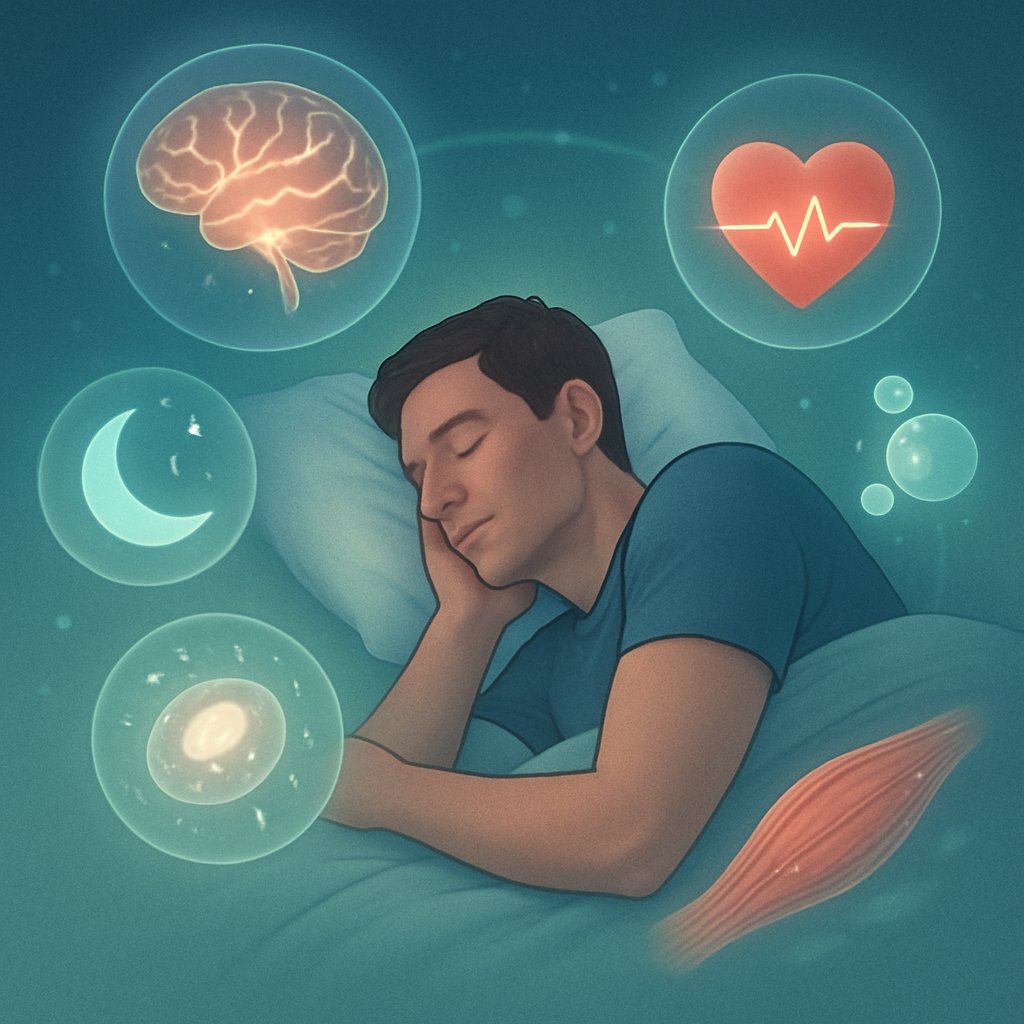
Your body goes through specific biological changes during rest that directly impact your performance and health.
Incorporating Rest and Recovery Essentials into your life can boost well-being.
These processes involve muscle repair, hormone regulation, and improved blood flow that work together to restore your body’s systems.
Muscle Repair and Growth
Pursuing Rest and Recovery Essentials can accelerate your fitness journey.
When you exercise, your muscles develop tiny tears called micro-trauma. This damage triggers protein synthesis and muscle repair processes during rest periods.
Your body repairs these tears by building new protein structures. This process makes your muscles stronger and larger than before.
Recognizing Rest and Recovery Essentials is vital for athletes and fitness enthusiasts.
The repair happens mainly during sleep when growth hormone levels peak.
Key muscle repair stages:
- Inflammation response (0-72 hours)
- Protein synthesis activation (6-48 hours)
- New muscle fiber formation (24-96 hours)
If you skip proper rest, your muscles never finish this repair cycle. That just leads to lower performance and a higher chance of injury.
Hormonal Balance and Cortisol Regulation
Rest directly affects your hormone levels, especially cortisol and growth hormone.
Cortisol is a stress hormone that breaks down muscle tissue when levels stay high for too long.
Quality sleep and rest days help lower cortisol levels. When cortisol drops, your body can focus energy on building and repairing tissues instead of managing stress responses.
Growth hormone increases during deep sleep phases. This hormone speeds up muscle repair and helps your body recover faster from training stress.
Hormones affected by rest:
- Cortisol: Decreases with adequate rest
- Growth hormone: Increases during deep sleep
- Testosterone: Rises with proper recovery
- Insulin: Improves sensitivity with rest
Role of Circulation in Recovery
Increased blood circulation during rest helps remove waste products like lactic acid from your muscles.
Better circulation also delivers oxygen and nutrients needed for repair.
Adopting Rest and Recovery Essentials is essential for effective training.
Light movement on rest days promotes blood flow without adding stress to your muscles. This helps speed up the removal of metabolic waste that builds up during intense exercise.
Integrating Rest and Recovery Essentials will enhance your training effectiveness.
Your circulatory system works more efficiently when you’re not under physical stress. Your heart rate settles, blood pressure stabilizes, and recovery gets a boost.
Optimizing Sleep for Recovery
Understanding Rest and Recovery Essentials aids in muscle healing.
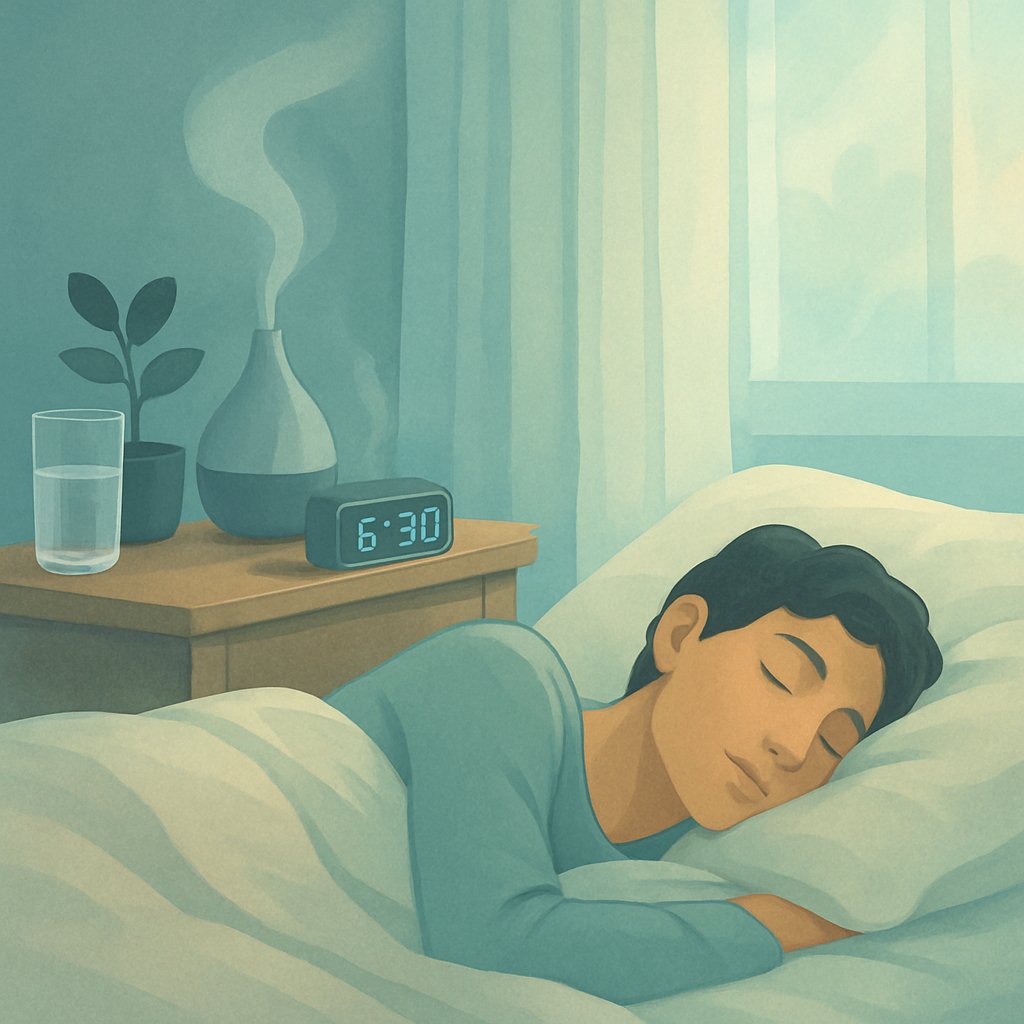
Quality sleep drives faster muscle repair and better physical recovery.
Practicing Rest and Recovery Essentials daily can lead to optimal performance.
A consistent sleep schedule supports your body’s natural healing processes and improves overall performance.
Sleep Quality and Duration
Sleep quality often matters more than quantity for recovery. Your body repairs muscles and tissues most effectively during deep sleep stages.
Mastering Rest and Recovery Essentials is key for lasting fitness gains.
Ideal sleep duration varies by age:
- Adults: 7-9 hours nightly
Understanding Rest and Recovery Essentials supports effective performance management.
- Teenagers: 8-10 hours nightly
- Older adults: 7-8 hours nightly
Deep sleep increases blood flow to muscles. This delivers essential nutrients and oxygen for tissue repair.
Signs of quality sleep include:
- Falling asleep within 15-20 minutes
- Sleeping through the night with minimal interruptions
- Waking up feeling refreshed
Recognizing the value of Rest and Recovery Essentials can prevent injuries.
- Maintaining energy throughout the day
Poor sleep quality reduces growth hormone production. This hormone is critical for muscle recovery and tissue regeneration.
Crafting a Healthy Sleep Schedule
A consistent sleep schedule strengthens your body’s internal clock.
Going to bed and waking up at the same time daily improves sleep quality.
Creating a structured bedtime routine helps you fall asleep faster. Start your routine 30-60 minutes before bedtime.
Incorporating Rest and Recovery Essentials into your routine is critical for athletes.
Effective bedtime routine elements:
- Dim lights 1 hour before sleep
- Avoid screens 30 minutes before bed
- Take a warm bath or shower
- Read or practice gentle stretching
- Keep your bedroom cool (65-68°F)
Sleep schedule tips:
- Set a fixed bedtime and wake time
- Avoid caffeine after 2 PM
- Limit daytime naps to 20 minutes
Valuing Rest and Recovery Essentials will enhance your sports performance.
- Get morning sunlight exposure
- Exercise regularly but not close to bedtime
Your sleep schedule affects hormone production and recovery timing. Consistency helps your body predict when to release recovery hormones like growth hormone and melatonin.
Nutrition and Hydration Essentials
Pursuing Rest and Recovery Essentials can foster a balanced fitness journey.

Proper nutrition provides the building blocks for muscle repair and tissue healing. Adequate hydration supports nutrient transport and toxin removal.
These two elements work together to optimize your body’s natural recovery processes.
Nutritional Strategies for Recovery
Incorporating Rest and Recovery Essentials will drive your success.
Energy Balance forms the foundation of recovery nutrition. Your body needs enough calories to fuel the repair process and rebuild damaged tissues.
Focus on these key macronutrients:
- Protein: 20-25 grams within 2 hours post-exercise
- Carbohydrates: 1-1.2 grams per kilogram of body weight
Embracing Rest and Recovery Essentials enhances your overall health.
- Healthy fats: Include omega-3 fatty acids for inflammation reduction
Nutrition for muscle repair should prioritize energy availability first, then proper macronutrient timing.
Micronutrients play crucial roles in recovery. Antioxidants from whole grains, fruits, and vegetables help reduce inflammation and promote healing.
Timing matters for optimal results. Eat protein and carbohydrates together within the first hour after exercise.
This combo maximizes muscle protein synthesis and glycogen replenishment.
Importance of Hydration in Recovery
Water transports nutrients and eliminates toxins throughout your body. If you’re not hydrated, your recovery slows way down.
Dehydration effects include:
- Increased fatigue
- Decreased performance
- Slower muscle recovery
- Impaired nutrient delivery
Replace lost electrolytes with drinks containing sodium, potassium, and magnesium. These minerals help replenish what you lose during exercise and maintain proper fluid balance.
Daily hydration goals: Drink 16-24 ounces of fluid for every pound of body weight lost during exercise. Check your urine color as a simple hydration check—pale yellow is what you want.
Start hydrating before, during, and after physical activity. This approach keeps your fluid levels up and supports your body’s natural recovery mechanisms.
Active Recovery Strategies
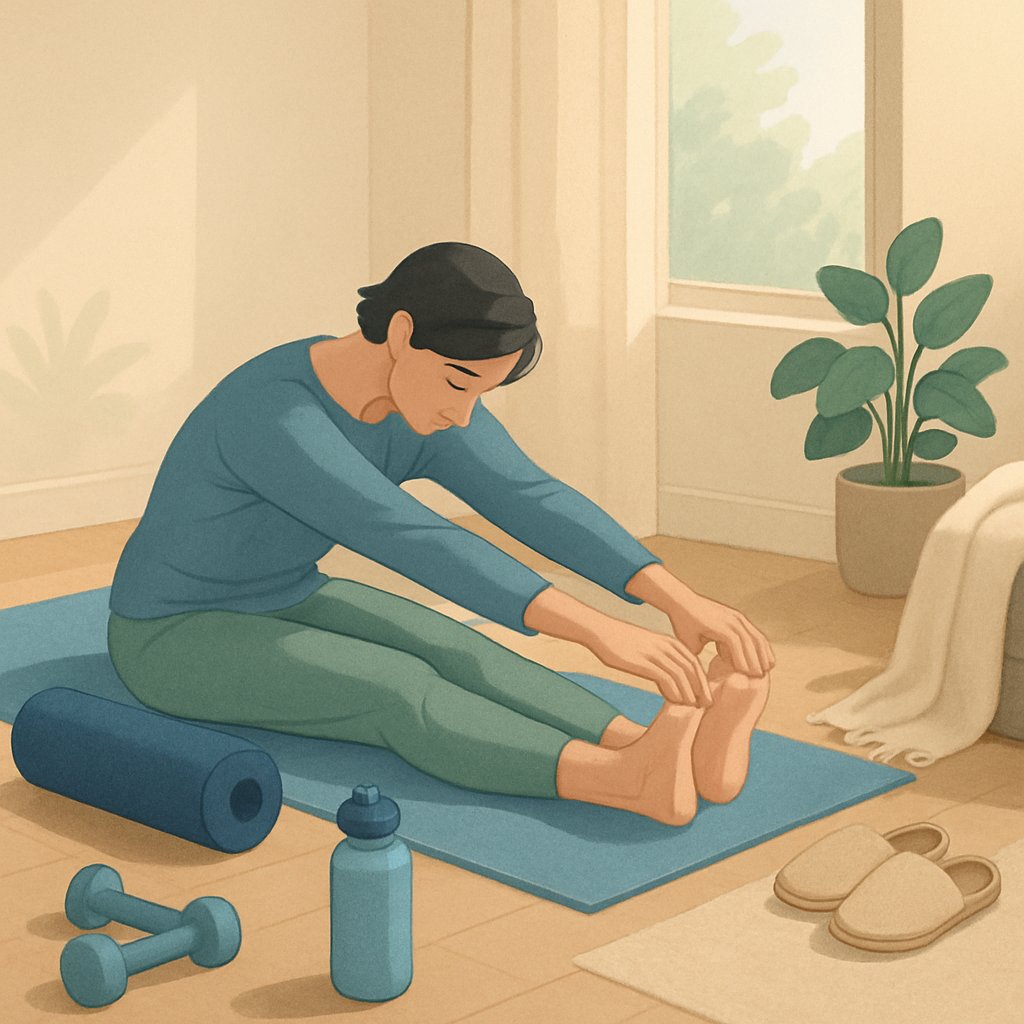
Active recovery uses light movement to help your muscles heal faster than complete rest.
Low-intensity exercises like swimming, yoga, and walking boost blood flow and reduce stiffness between intense workout days.
Benefits of Active Recovery
Active recovery lowers your risk of overuse injuries while keeping your body moving.
This approach helps you address small muscle problems before they become serious issues.
Your muscles get better blood flow during light activity compared to complete rest. This increased circulation delivers nutrients to damaged tissue and removes waste products faster.
Key benefits include:
- Reduced muscle stiffness
- Faster recovery between workouts
- Lower injury risk
- Maintained fitness routine consistency
Active recovery promotes blood flow and reduces muscle stiffness more effectively than just lying on the couch all day.
Your body stays loose and ready for your next training session.
Incorporating Yoga and Stretching
Yoga combines stretching with controlled breathing to help your muscles recover.
Stretching exercises improve recovery time when done at low intensity on rest days.
Focus on gentle poses that target tight areas from your recent workouts. Hold each stretch for 20-30 seconds without forcing the movement.
Effective yoga poses for recovery:
- Child’s pose for lower back relief
Mastering Rest and Recovery Essentials is crucial for injury prevention.
- Downward dog for hamstring flexibility
- Cat-cow stretches for spine mobility
- Pigeon pose for hip tightness
Static stretching works best after light movement when your muscles are warm.
Start with 5-10 minutes of easy walking before your stretching routine.
Using Light Cycling and Mobility Work
Light cycling keeps your legs moving without putting much strain on your muscles. Ride at a pace where you can still chat comfortably for 20-30 minutes.
Mobility work targets joints that feel stiff or stuck. Focus on spots that make your usual workouts harder.
Effective mobility exercises:
- Leg swings for hip mobility
- Arm circles for shoulder freedom
- Ankle rotations to help movement
- Neck rolls to ease upper body tension
Foam rolling combined with light movement helps release muscle knots and improves flexibility. Spend about 1-2 minutes on each big muscle group that feels tight.
Keep cycling intensity at 50-60% of your max effort. Your heart rate should stay comfortable the whole time.
Personalizing Rest and Recovery Within Your Fitness Routine
Prioritizing Rest and Recovery Essentials ensures long-term athletic success.
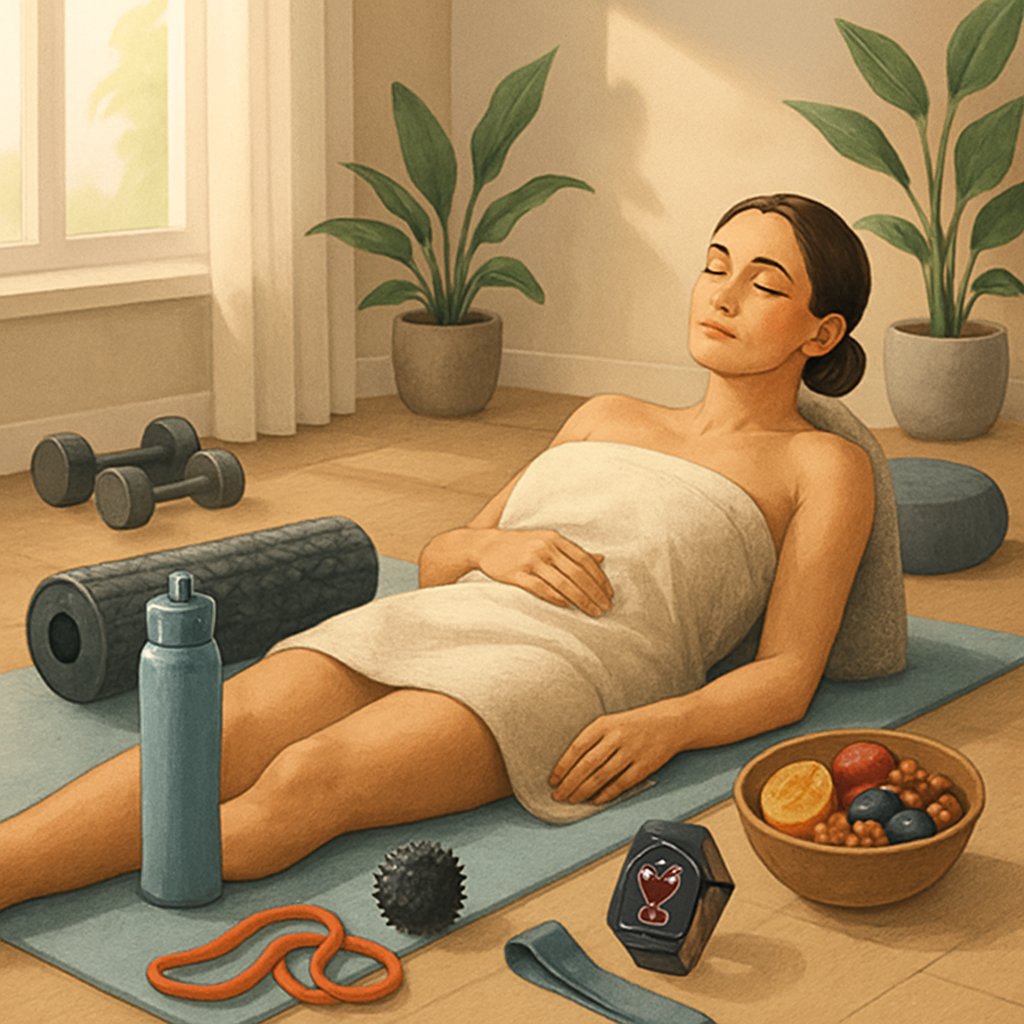
Your body needs different recovery types depending on your training intensity and fitness level. Some folks bounce back fast, while others need more downtime.
Smart rest planning and the right recovery tools can help you get stronger and avoid burnout. It’s a balancing act, honestly.
Planning Rest Days and Managing Training Load
Training load decides how much rest you need. If you push hard, your muscles might need 48-72 hours to recover.
Beginners should plan at least one full rest day each week. Advanced athletes sometimes need two or three, depending on how tough their program is.
Active vs. Passive Rest Days:
- Active rest: Light walking, gentle yoga, or swimming
- Passive rest: Full break from structured exercise
Track your weekly training by noting:
- Total workout hours
- Intensity (light, moderate, hard)
- Number of high-intensity sessions
Every fourth week, cut your training load by 20-30%. That way, you don’t hit a plateau and your body gets a deeper recovery.
Recognizing Signs of Overtraining
Your body will let you know if it needs more recovery. Catching these signs early helps you avoid injuries and keep your performance up.
Physical Signs:
- Muscle soreness lasting more than 72 hours
- Weaker performance during workouts
- More frequent injuries or getting sick a lot
- Resting heart rate higher than usual
Mental and Emotional Signs:
- Not feeling motivated to exercise
- Mood swings or feeling irritable
- Trouble sleeping or staying asleep
- Feeling overwhelmed by workouts that used to feel normal
If you notice several of these, take 3-5 days off completely. When you return, start at half your usual intensity and build up over two weeks.
Utilizing Recovery Tools and PPE
Recovery tools can speed up healing and ease muscle tension. Pick what fits your needs and budget.
Essential Recovery Equipment:
- Foam roller for muscle release ($15-50)
- Compression garments for better circulation ($20-80)
- Ice packs for new injuries or soreness ($5-15)
- Heating pads for old, stiff muscles ($20-40)
After workouts, use a foam roller for 10-15 minutes. Focus on tight spots like calves, IT bands, and quads.
Wear compression gear for 2-4 hours after training. It helps reduce swelling and gets nutrients to your muscles faster.
Apply ice for 15-20 minutes within two hours of tough training. Use heat for stiff muscles before you work out.
Frequently Asked Questions About Rest and Recovery Essentials
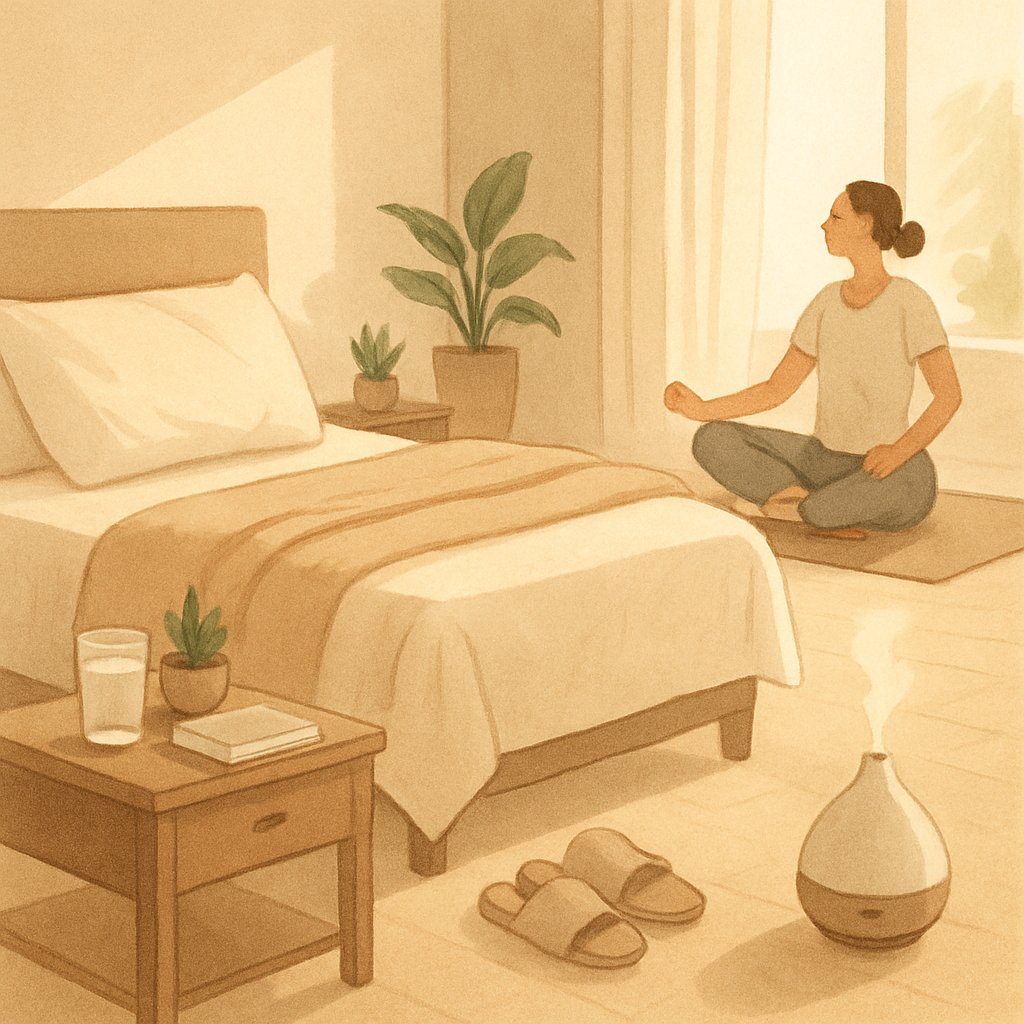
Rest and Recovery Essentials aren’t just about chilling out—they include hydration, sleep, and routines that help your muscles repair.
What are the essential components of an effective rest and recovery routine?
Hydration stands as the most important recovery component. Your muscles need water to flush out toxins and fix tissue damage from training.
Quality sleep is huge for recovery. Your body releases growth hormone during deep sleep, which repairs and builds muscle fibers.
Nutrition matters, too. Eating enough protein within 30 minutes after exercise helps your muscles recover.
Active recovery means light movement, like walking or gentle stretching. It keeps blood flowing without stressing your muscles.
How can athletes optimize their rest days for muscle growth and repair?
Take at least one full day off from tough training every week. Muscles actually grow when you rest, not when you’re working out.
On rest days, try gentle activities like yoga or a walk. They boost blood flow but don’t cause extra muscle damage.
Aim for 7-9 hours of sleep on rest days. Growth hormone peaks while you sleep, so it’s key for muscle repair.
Eat well even on rest days. Your body keeps repairing muscles for up to 48 hours after a workout.
What rest and recovery techniques can be easily practiced at home?
Warm baths with Epsom salts can ease muscle soreness. Magnesium in the salts helps relax tight muscles and calm inflammation.
Try deep breathing for 10-15 minutes. It kicks in your parasympathetic nervous system, which helps your body recover.
Foam rolling helps release tension and boost blood flow. Spend 1-2 minutes on each big muscle group.
Use ice packs on sore spots for 15-20 minutes. Cold therapy can bring down swelling and numb pain.
How does the principle of rest and recovery contribute to overall athletic performance?
Rest helps you avoid overtraining, which drags down your performance and ups your injury risk. Your body needs time to adapt to hard training.
Recovery gives your energy systems time to refill glycogen stores. Without that, your next session just won’t be the same.
Taking enough rest sharpens your reaction time and focus. Fatigue messes with your coordination and decision-making.
Rest also boosts your immune system. If you train too hard for too long, you’ll get sick more often.
What are some recommended workouts that incorporate rest and recovery periods?
Try periodized training—alternate hard weeks with easier, recovery-focused weeks. It keeps you from burning out.
Add rest intervals between sets. Rest 1-3 minutes between strength sets so you can recover fully.
Active recovery workouts like light cycling or swimming are great. They should feel easy and help with blood flow.
Every 4-6 weeks, plan a deload week where you cut back your training volume. It’s a solid way to keep making progress without overdoing it.
Can you explain the role of rest and recovery in preventing sports injuries?
Fatigue raises your risk of getting hurt because it messes with muscle coordination and joint stability. When you’re tired, your muscles just can’t protect your joints the way they’re supposed to.
Taking time to recover lets those tiny muscle and tissue tears actually heal. If you don’t give your body that chance, you end up with weak spots that are just waiting to get injured.
Integrating Rest and Recovery Essentials effectively can significantly enhance your athletic performance.
Rest also keeps your hormones in check, especially when it comes to cortisol. If you push too hard and your cortisol stays high, your tissues get weaker and healing slows way down.
Getting enough recovery helps your body keep its sense of balance and control. That means you’re more likely to move with good form and less likely to make a risky mistake.